Adam Dawnbringer
The networker
He can bring the friends together and sell them on an idea. Treating life like a game helps him take action, but makes other people’s feelings and consequences easier to miss.


Flagship series · crime dramedy
Adam Dawnbringer is a grocery clerk who treats life like a video game. Chasing a supercar and a way out of low-paid work, he reunites the ABC Squad — a group of former high-school pranksters — for Sidequest, a lawless, game-like dark-web marketplace. Their old tricks meet new stakes. The jobs promise fast money; the consequences follow them home.
The lead
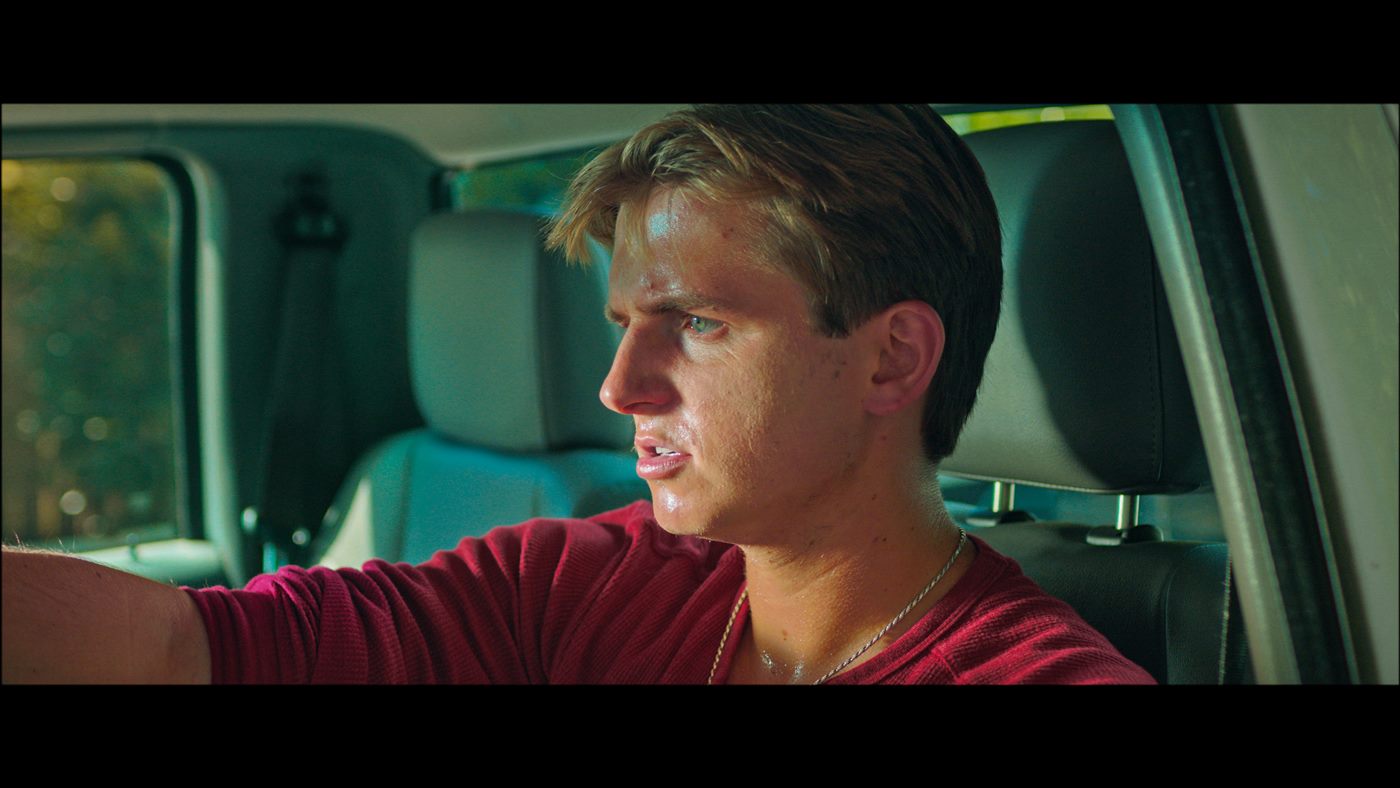
Adam is a college kid and grocery clerk, convinced that a supercar will fix a humiliating date. His mother wants him to earn honest money; his friends know a faster route. Beneath the status chase is a family story he has never resolved. The car is the goal he can name. His missing father is the question he cannot put down.
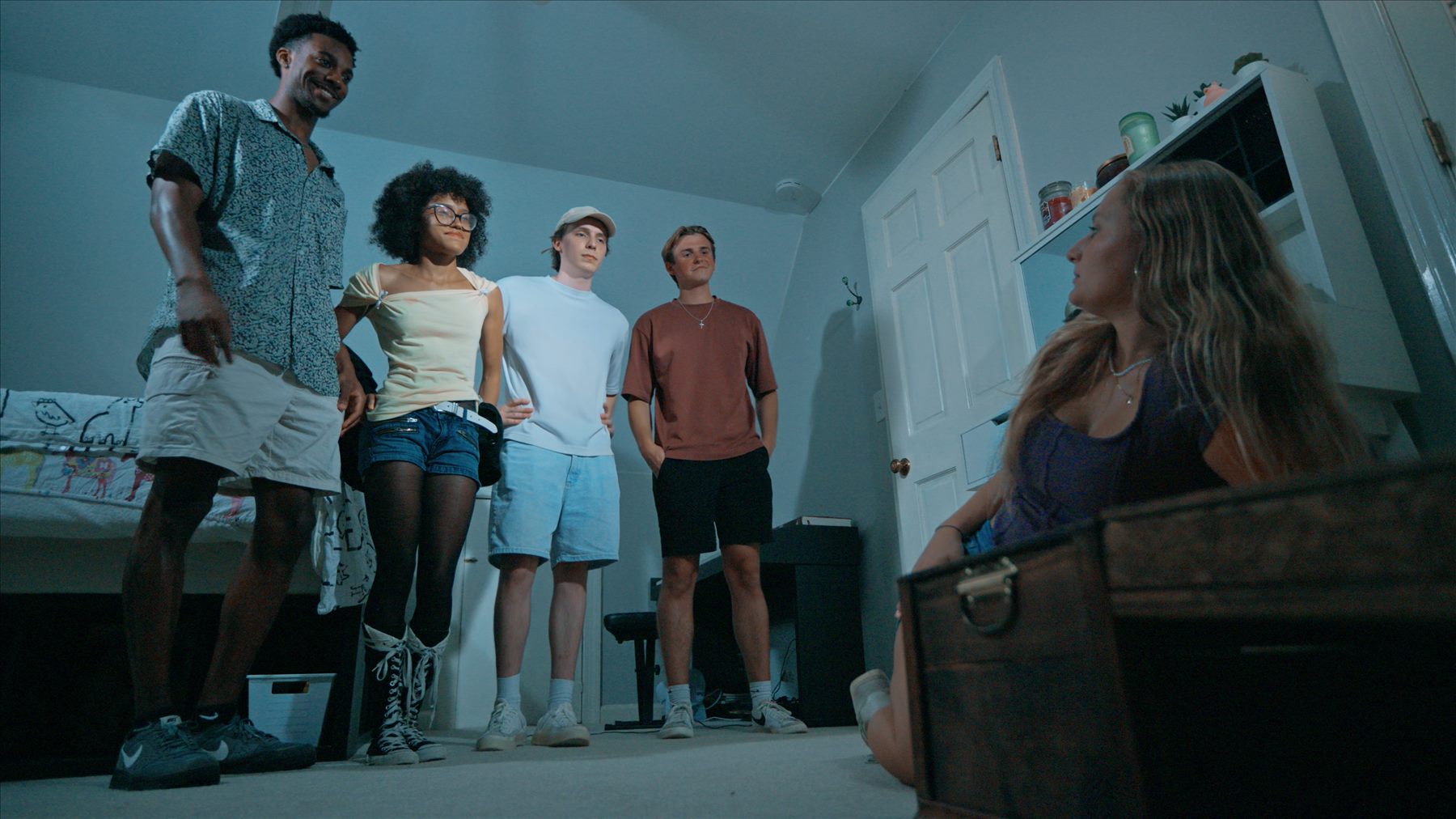
The ABC Squad are former high-school pranksters: Adam the networker, Brock the driver, Chester the strategist, Diego the wild card, Felicia the hacker, Gemma the locksmith and Eric the muscle. Reuniting them means reopening friendships, rivalries and histories. Sidequest turns their skills into jobs, rewards and levels; it cannot make them agree on what a job is worth.
On the surface it is a heist comedy — Mr. Robot’s paranoia, Barry’s heart, Baby Driver’s needle drops, and the interface of GTA Online. Underneath the jobs and jokes is a family mystery and a world whose rules the squad does not yet understand.
No job too illegal. No debt too deep. No exit from the game.
Season 1 Part 1
A crime dramedy with a game interface, an ensemble of conflicting motives and a mystery beneath the job market. First-person sequences and on-screen choices are part of its cinematic language; the current episodes are not being presented as released VR films.
Adam’s supercar obsession meets the reality of low-paid work and the promise of a shortcut. A larger mystery stirs behind the marketplace.
The search for quick money puts relationships under pressure. What looks like a simple gig can carry a much more personal cost.
Reuniting old friends means reopening old tensions. The squad’s talents fit together more easily than their motives do, and the stakes keep growing.
Adam and the squad carry the main story. The FBI investigation, Cain and Nelson’s history, and the Cyber Realm’s mythology give the same events different meanings. Later stories can follow those perspectives without requiring every viewer to own a headset.
ABC Squad
The ABC Squad’s chemistry is the center of the series. Their specialties make them useful together; their motives make the reunion unstable. Supporting characters connect the crew to the investigation and family history.
The networker
He can bring the friends together and sell them on an idea. Treating life like a game helps him take action, but makes other people’s feelings and consequences easier to miss.
The driver
Quick under pressure and more pragmatic than Adam. His confidence behind the wheel does not extend to Felicia, where jealousy pulls him into decisions he cannot steer so easily.
The brains
A strategist and gambler who wants to be five moves ahead. He questions adding people to the crew, even as his own appetite for risk makes that caution complicated.
The wild card
Unpredictable, funny and eager to be part of the action. He changes the energy of a scene instantly and can turn a carefully laid plan into something nobody expected.
The hacker
Resourceful and skeptical of authority. She can see how reckless the others are; knowing more than the rest of the squad makes trust and loyalty complicated.
The locksmith
Warm, playful and comfortable around a lock she should not be opening. She brings a sense of ease to a crew that can make even a reunion feel like a competition.
The muscle
A fighter who also carries poetry, grief and loyalty. He protects the people he cares about fiercely, with more behind that intensity than the others always see.
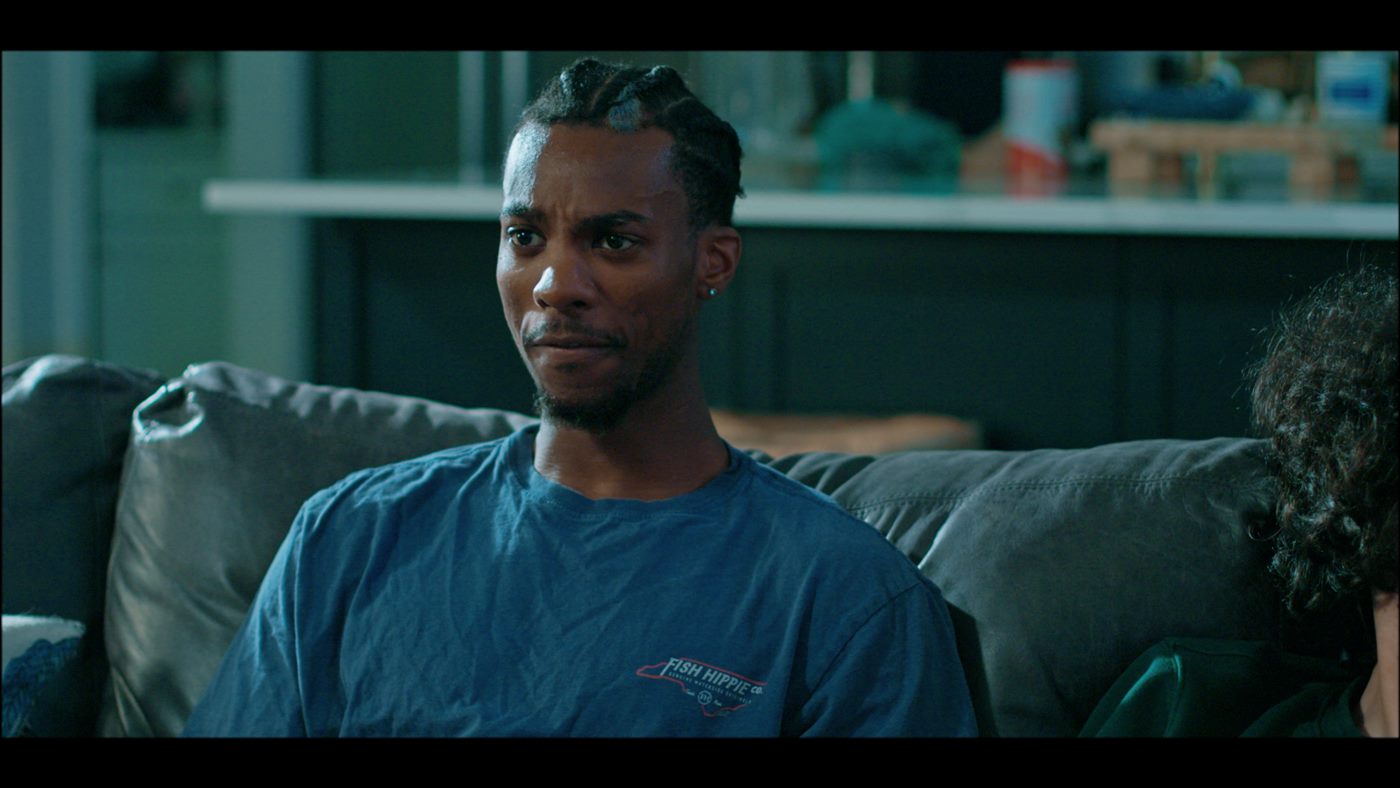
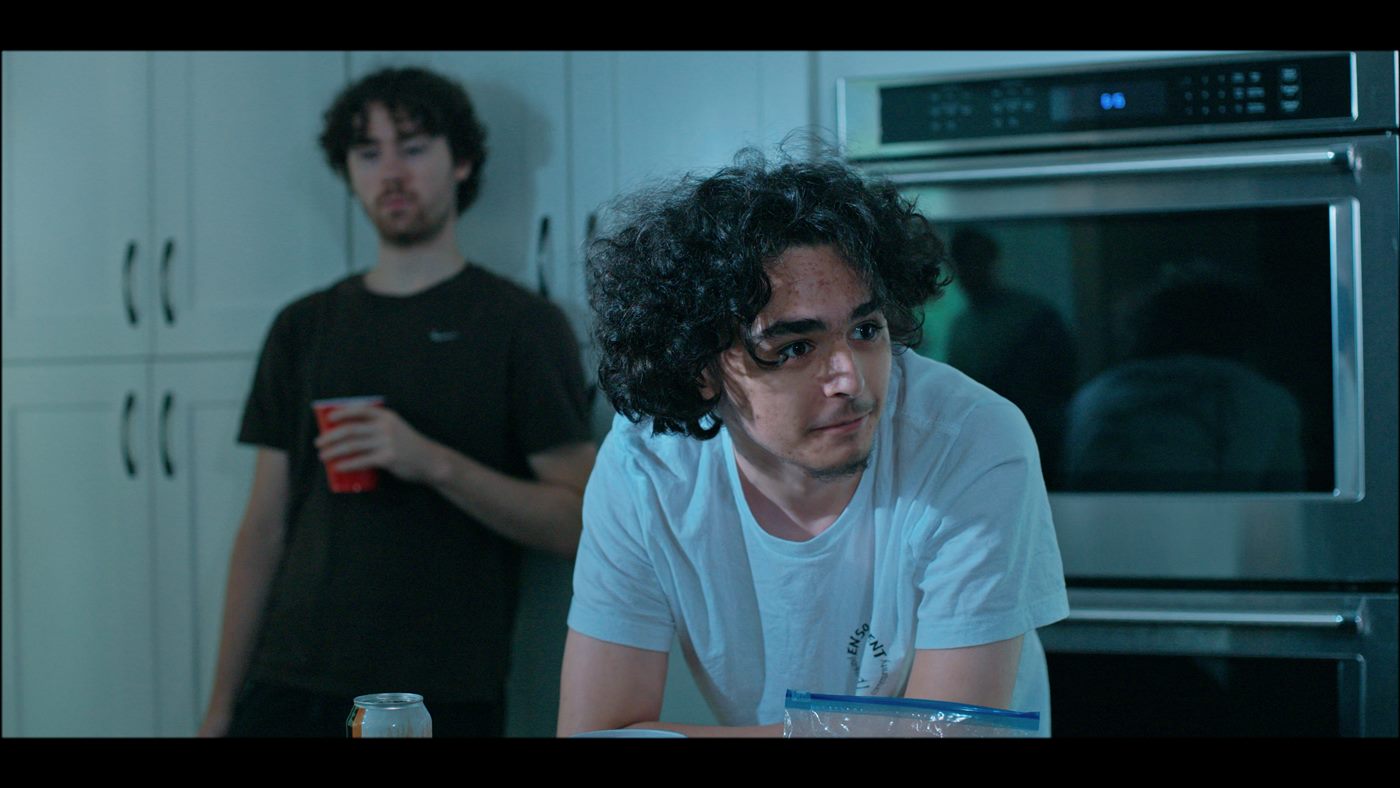
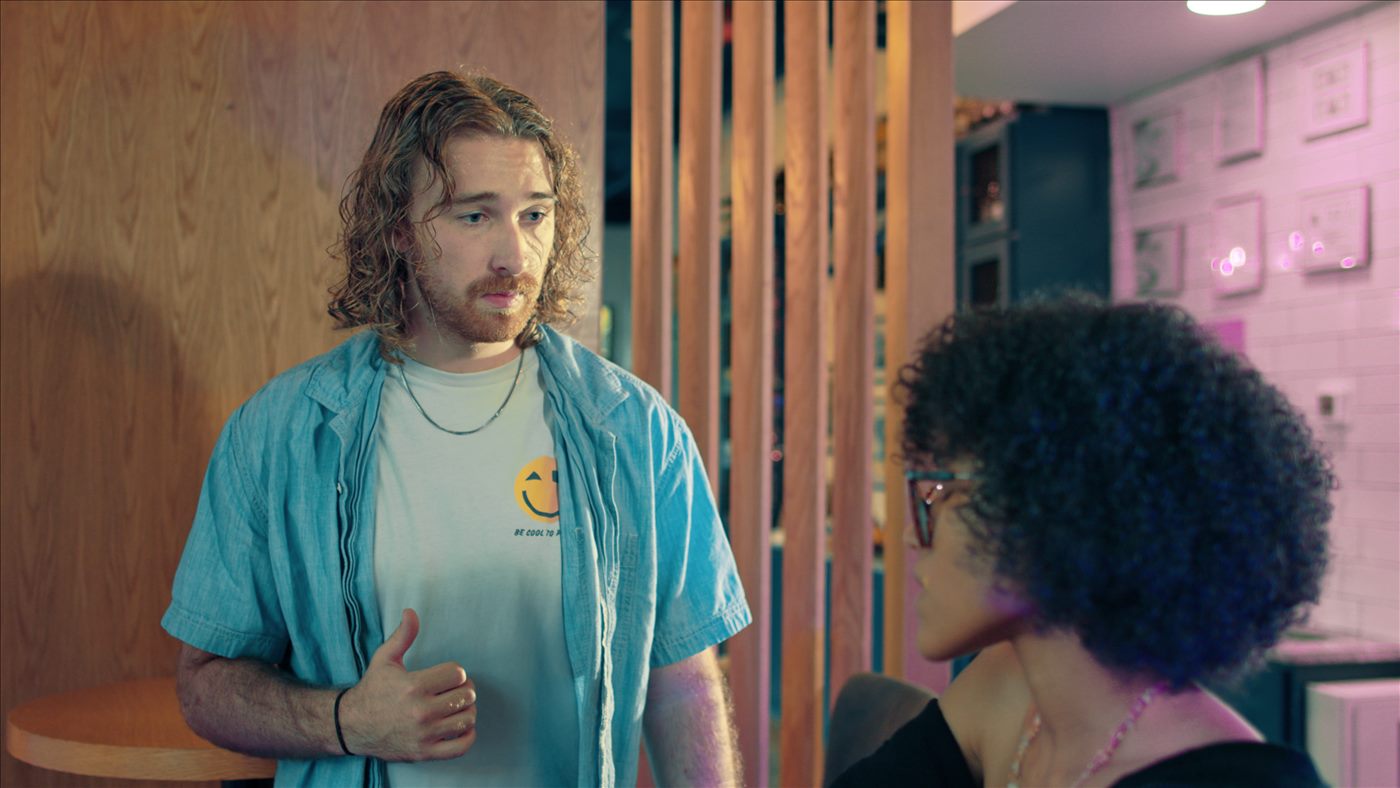
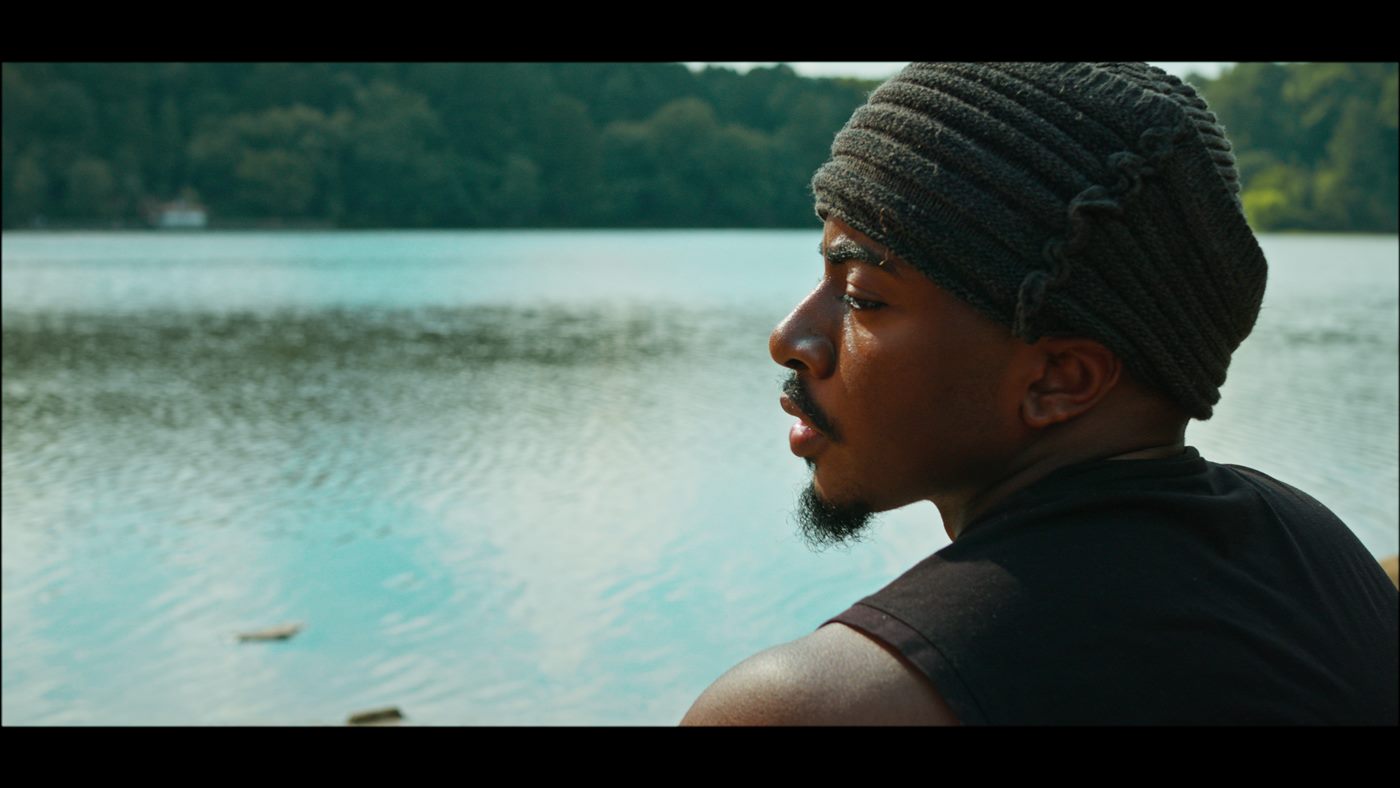
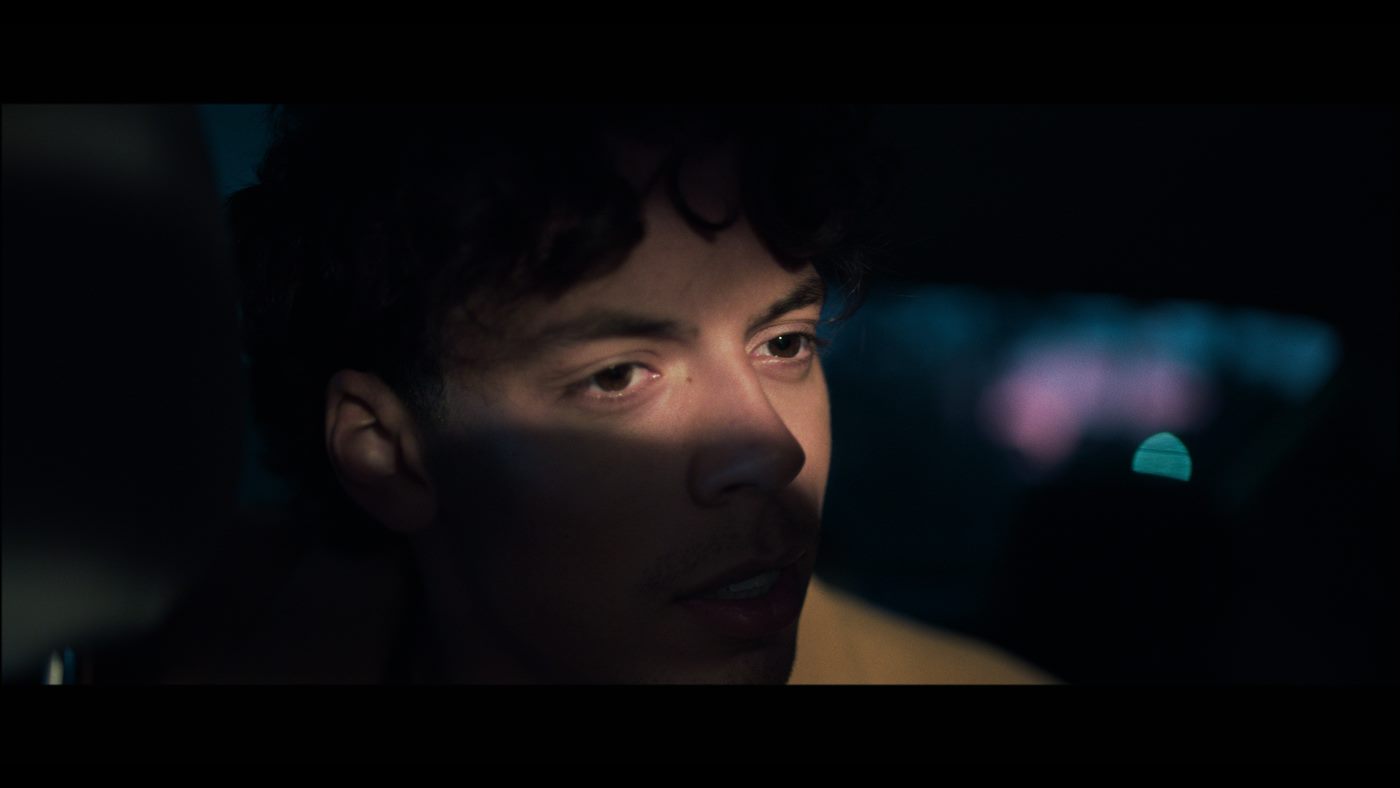
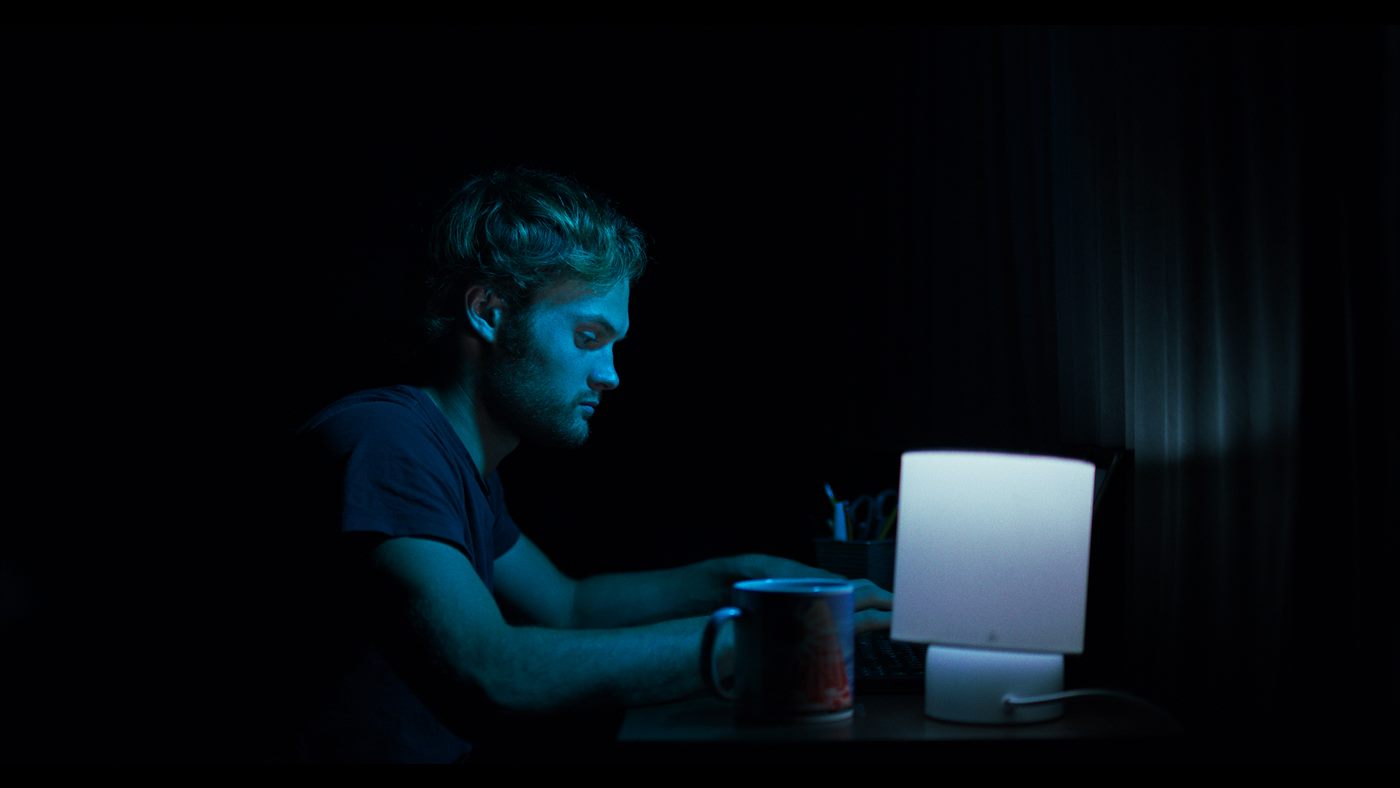
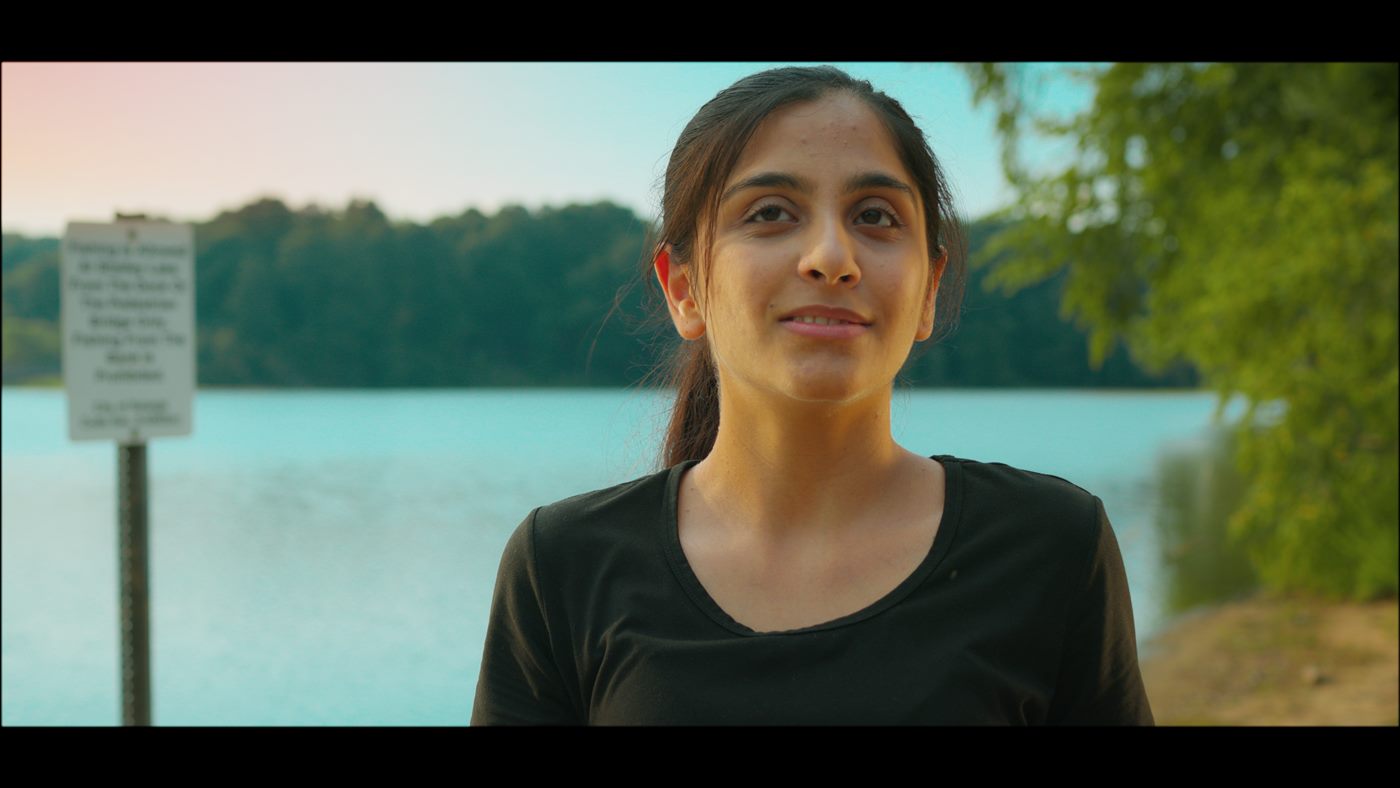
Brock Turismo (Isaac Corrigan) and Gemma Gazelle (Emily Kahl) are also members of the ABC Squad. The portraits above include supporting characters as well as squad members; they are not the full credits.
The world underneath
Sidequest operates inside the Cyber Realm, an encrypted digital world of jobs, rewards and levels. The Trojan Stallion’s name hangs over its history. To Adam, the marketplace looks like a shortcut; to FBI Team 4B, it is part of a much larger case. Who built the game, and what it asks of its players, is a mystery the series can unfold.
The world bible and actor guides connect the squad’s personal histories to Cain and Nelson, FBI Team 4B and the Trojan Stallion. Those relationships give future stories a foundation: a family crime drama, a procedural, an origin story or a mission seen from more than one character. They are creative possibilities, not announced releases.
That continuity also matters to the tools. Pure Alacrity is being developed to connect story records, production decisions and the assets a later episode can reuse. Sidequest supplied the practical problems before Pure’s development began in January 2026.
Release status
Season 1 Part 1 covers Episodes 1–3 and is in post-production, with pickups in the January–October 2026 window. The existing October 2026 release aim remains a target, not a confirmed release date. Approximately 28 shooting days cover the full production across its phases.
The Episode 1 currently on YouTube is the early beta. It should be understood as a development iteration, not the final Episode 1 of the current release.
The release work centers on completing post, sound, graphics, captions, credits and delivery for Episodes 1–3. Final release details will be announced when confirmed.
More story and potential VR-exclusive missions can extend the world. Their format, budget and production dates remain to be decided; the current episodes do not depend on those experiments being finished.
The production history
Sidequest began before Pure Alacrity and before D.C Agwu began VR development. An interest in immersive cinema was already part of the creative direction.
Raleigh · community college. The early Episode 1 beta was shot. D.C Agwu had already shot roughly 80% of that early Episode 1 iteration while in community college. This was not 80% of the whole three-episode production.
May · Wilmington: the commercial scene shoot.
June–August · Raleigh: most of Episodes 2–3 and parts of Episode 1.
November · Wilmington: the prologue.
Wilmington · pickups. Additional photography continued within this window. The full production spans approximately 28 shooting days in total across the early beta, main production and pickups.
January 2026: Pure Alacrity development began. A majority of the footage for Episodes 1–3 had already been shot. Pure grew from the production and post-production problems the team had encountered. It did not plan or run the original 2024–2025 shoots; later pickups and post overlap its development.
The earlier pitch deck is historical context. It was prepared before D.C Agwu began hands-on VR development. It already proposed first-person cinematics, spatial audio, game-style graphics and later interactive/VR work. Those proposals record the creative direction at that time, not completed VR capabilities or the current episode count and production schedule.
Beyond Episode 3 · exploration
After the three-episode release, the next production round could include stories made specifically for VR. The aim is a meaningful role inside Sidequest, with filmed performances, spatial sound and decisions that change what you discover.
Enter a new job alongside the ABC Squad. Choose whose perspective to follow, what information to share or whether to trust the offer. The characters and consequences make the interaction matter.
A complementary FBI or Cain-and-Nelson story could reveal information the squad never sees. A traditional episode and a VR exclusive can stand alone while making each other richer.
Start with a bounded live-action immersive scene. Then test filmed performance inside real-time environments, spatial audio and persistent story state. More freedom should follow measured quality, comfort and production feasibility.
The tools evolve with the production. Pure plans the story and coverage. Bridge is being developed to preserve scene, take and version context through editing, sound, color and VFX. Player runs supported interactive packages. Sidequest’s next round can test that complete path without pretending those future systems made its original episodes.
These are directions for development, not announced titles or a promise of a particular device-store release. The three-episode series remains a complete way into the story for people watching on ordinary screens.
Sidequest gives the company a story world and a crew with a production history. Pure grew from that work. Bridge and Player create a path toward the next kinds of stories the team wants to make.